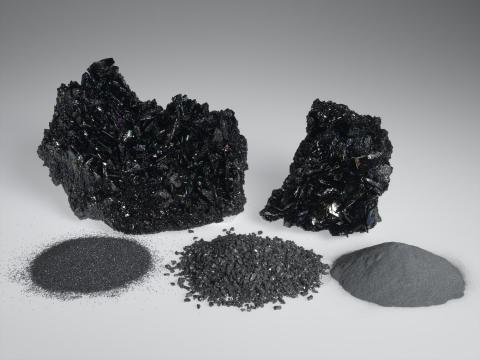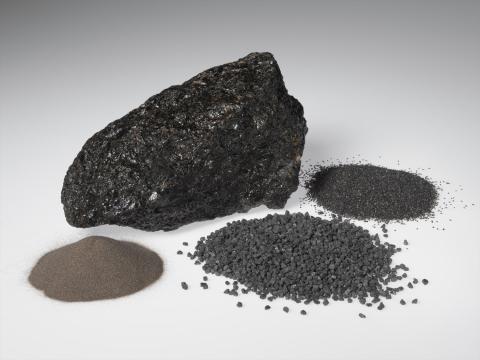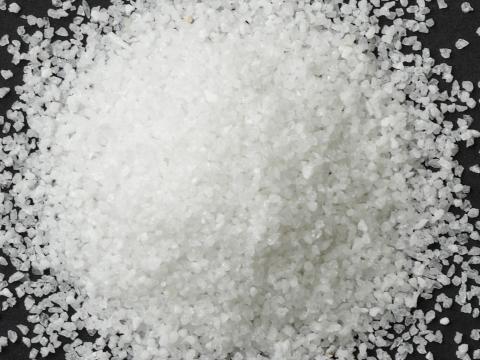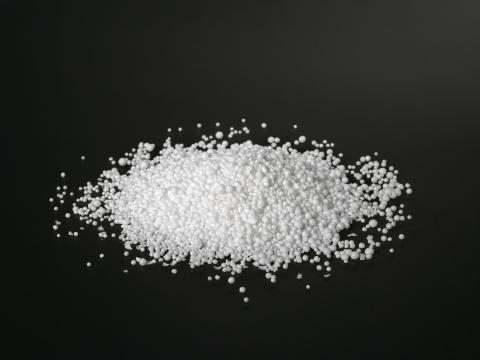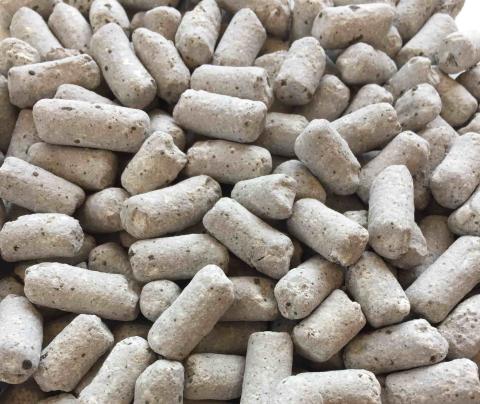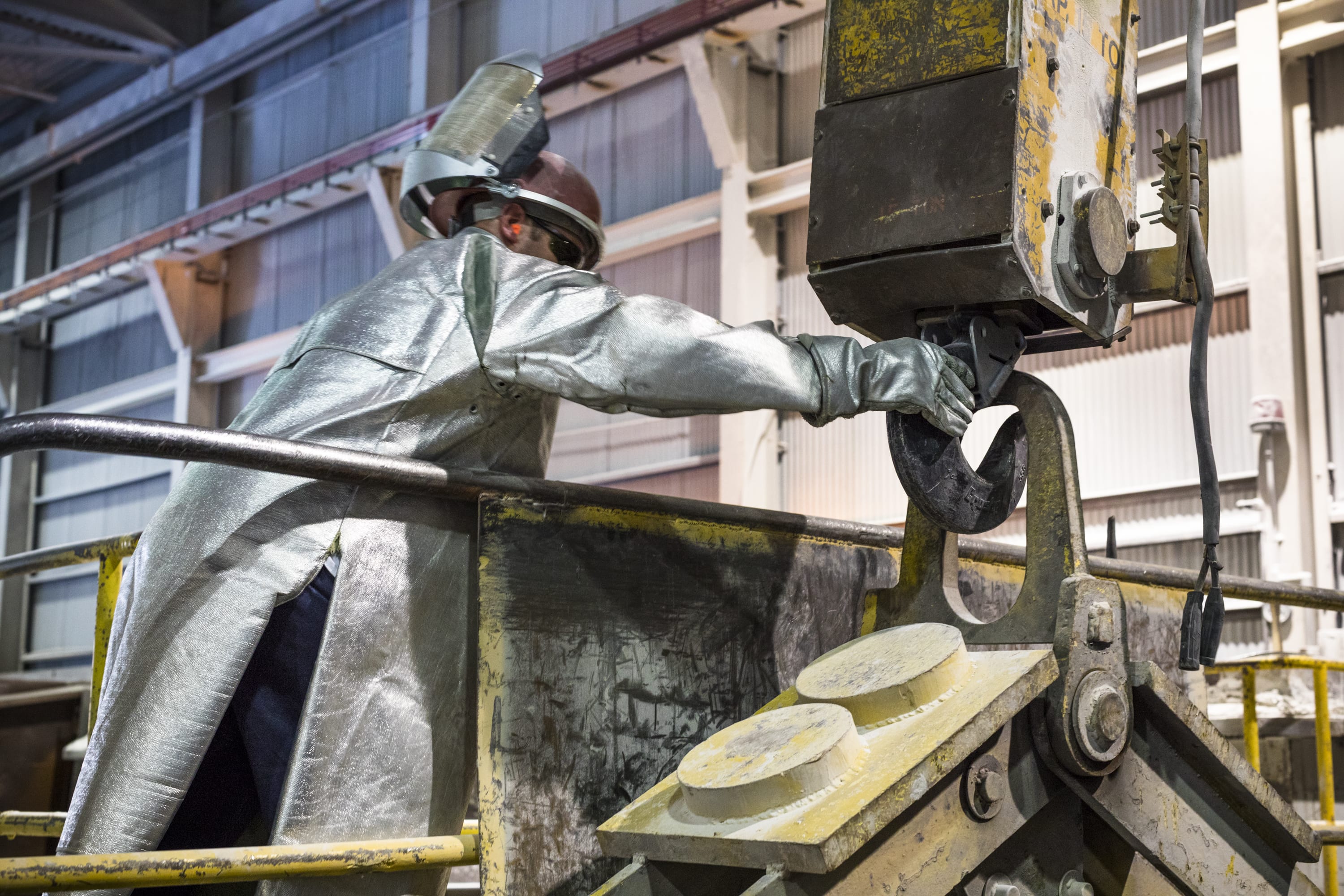
Foundries melt iron ore, iron scrap and steel scrap in a high-temperature furnace to produce molten iron. Impurities from the slag produced during the melting process must be removed from the molten iron. Silicon carbide is an important metallurgical additive, as Silicon and Carbon molecules combine with impurities in the molten metal slag, removing contaminants and increasing iron yield. Silicon carbide also releases metal oxides trapped in the slag, producing additional energy to expedite the melting process. Silicon carbide enhances the metallurgical properties of all grades of iron.
- Washington Mills is a major producer and supplier of foundry-grade materials, with multiple facilities in North America and Europe.
- Washington Mills’ foundry products are manufactured to the highest industry standards available, with both in-house testing and lab facilities.
- Washington Mills has a highly trained staff of metallurgists, technicians and production personnel available to assist you for your iron foundry needs.
Melting, Pouring & Inoculation
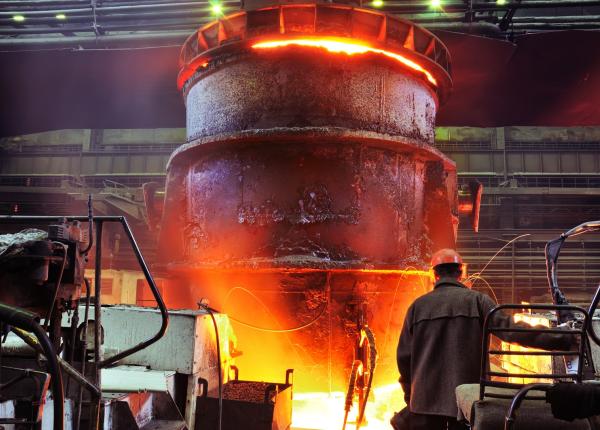
Melting is the process of transforming solid raw materials into liquidus molten iron and preparing the liquidus iron by alloying and chemical composition verification for metal casting. CARBOLON MA is introduced during this phase as a cheaper source of Si vs FeSi, also as a slag promoter to ensure the best alloy recoveries through a process called deoxidation.
Pouring is the process of filling alloyed iron into a ladle or trough and transferring to a holding furnace or ingot line to be casted or injected into molds. Since CARBOLON MA is at the top of its class of silicon carbides, it is often added to ladles along with iron from the melting phase due to its powerful nucleation effects.
Inoculation is the process of adding a Si-based alloy via ladle addition or in-stream, to promote graphitization potential in GI, thus improving casting quality. CARBOLON MA’s high dissolution effect and recovery makes it an excellent inoculant. Recent studies also support the use of SiC in DI inoculation, which can save ~40% on inoculation costs vs other products.